
Leadership
Blog
In 2024, employee engagement plummeted to a ten-year low, with only 31% of the workforce reporting they feel truly connected to their roles. At the heart of this malaise sits a fundamental paradox: employees are starving for the guidance they need to grow, yet they are terrified of the very systems designed to provide it.
To understand why the modern performance review feels so broken, we have to look at the biology of the workplace. Neuroscientifically, feedback tied to evaluation, compensation, or status triggers a 'threat response' in the brain—often referred to as an amygdala hijack. When a manager initiates a high-stakes review, the employee's brain doesn't perceive a learning opportunity; it perceives a survival threat. This is exacerbated by a structural power dynamic that encourages self-censoring. Even in surveys marked as anonymous, employees often provide performative, low-value responses because they know their manager controls their promotion and pay.
The Foundation of Safety
True growth cannot happen without what Harvard Business School professor Amy Edmondson calls psychological safety. Defined as the belief that one will not be punished or humiliated for speaking up with ideas, questions, or mistakes, it is the single most important predictor of team performance. In her landmark studies of hospital teams, Edmondson found that the highest-performing groups actually reported more errors than their peers. They weren't making more mistakes; they were simply safe enough to admit to them so they could be fixed.
Unfortunately, recent data suggests this safety is in short supply, particularly for middle managers who report feeling the least secure in their roles. This creates a 'frozen middle' where feedback stops flowing entirely. Without a foundation of safety, any feedback system—no matter how high-tech—becomes little more than performance theater.

Psychological safety is the bridge that allows teams to move from fear-based silence to innovation-led growth.
Moving from Ambiguity to Radical Candor
If safety is the foundation, clarity is the architecture. Kim Scott, author of Radical Candor, argues that much of our workplace anxiety stems from ambiguity. Most managers default to 'Ruinous Empathy'—being so concerned with being 'nice' that they withhold the very truths an employee needs to succeed. This leaves the employee in a state of constant, low-grade anxiety about where they actually stand.
Radical Candor requires a balance of two dimensions: Caring Personally and Challenging Directly. A two-minute conversation that identifies a problem early can prevent a two-month spiral of confusion. However, achieving this at scale requires a system that normalizes these conversations, moving them away from high-stakes annual events and into the regular rhythm of work.
The Medium is the Message: Why Voice AI Changes the Equation
Perhaps the most significant shift in reducing feedback anxiety isn't just what is said, but how it is collected. Traditional 360-degree reviews are often static, generic, and survey-based. They rely on text boxes that are easy to 'game' and lack the nuance of human conversation.
Emerging platforms like Your360 AI are proving that the medium of collection is a primary factor in honesty. People are fundamentally more candid when speaking to a neutral, non-hierarchical entity. Your360 AI utilizes a voice-based agent named Tam to conduct confidential, adaptive peer interviews. Unlike a human interviewer, an AI agent has no agenda and no place in the company hierarchy, which lowers the respondent's guard.
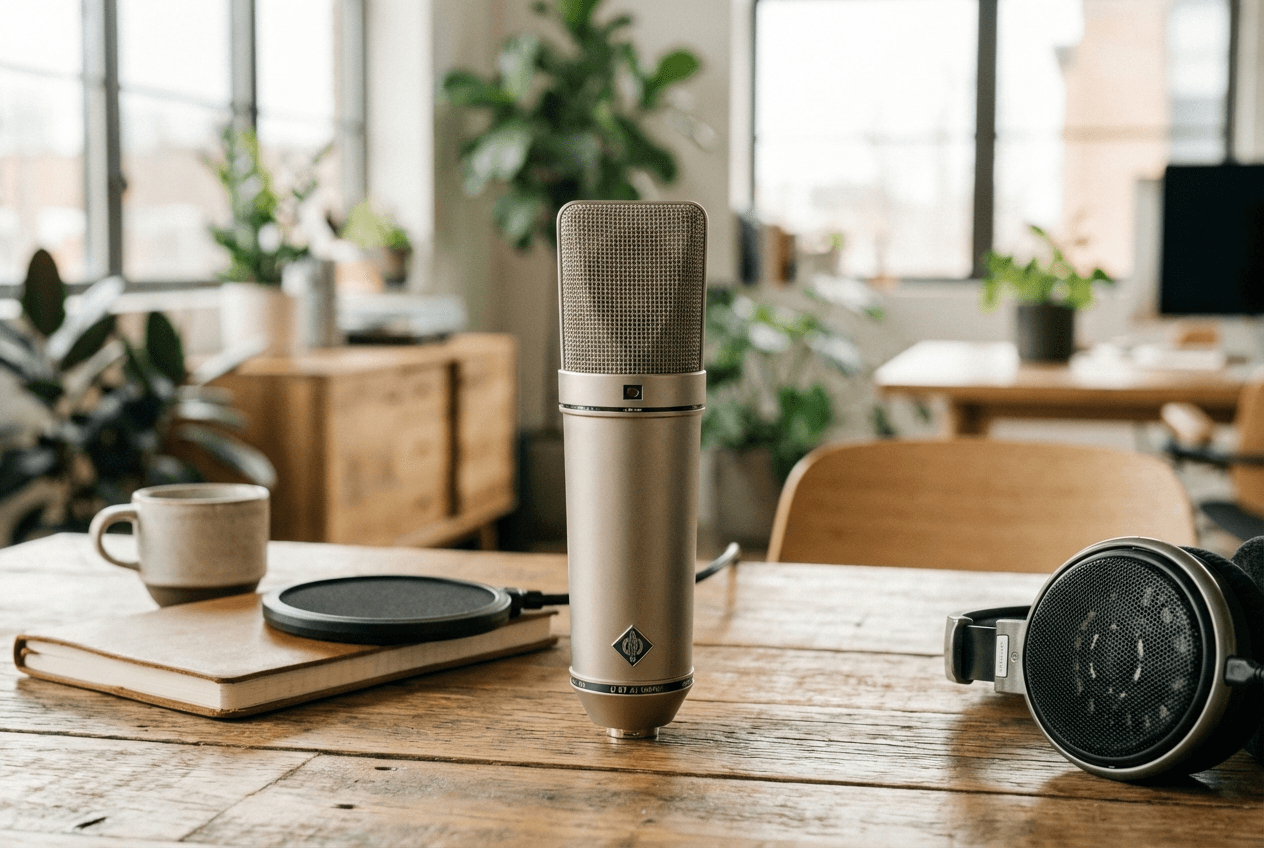
The shift from static text boxes to voice-based collection allows for a depth of nuance that traditional surveys miss.
Industry leaders are noticing the difference. Katrina Benjamin, CPO at Axiom Law, noted that a single 20-minute voice session yielded more insight than an hour of writing. This is because voice AI can probe for specifics, asking follow-up questions that a static form cannot, all while maintaining a level of confidentiality that human-led interviews struggle to guarantee.
Engineering an Anxiety-Free Feedback Culture
For organizations looking to move beyond performance theater, a practical framework for reducing anxiety involves five key pillars:
- Confidentiality First: Employees must own their data. If HR or direct managers see raw, un-synthesized feedback, the threat response returns.
- Separate Development from Evaluation: 360-degree data should never be used for compensation or promotion decisions. It is a tool for growth, not a scorecard.
- Conversational Collection: Use voice or structured dialogue to capture the 'why' behind the 'what.'
- Actionable Coaching: Feedback without a debrief or a concrete action plan is just noise. Every employee deserves a roadmap for what comes next.
- Normalization through Frequency: The 'once-a-year' review is a relic of the past. Normalizing feedback as a frequent, low-stakes occurrence removes the dread associated with 'judgment day.'
By leveraging tools like Your360 AI, which delivers coach-quality insights at a fraction of the cost of traditional executive coaching, organizations can finally democratize growth. At $199 per person, the goal is to make transformative feedback accessible to the entire organization, not just the top 1% of executives. When we replace the anxiety of the unknown with the clarity of confidential, caring, and frequent feedback, we don't just improve performance—we restore the psychological safety that modern work so desperately needs.
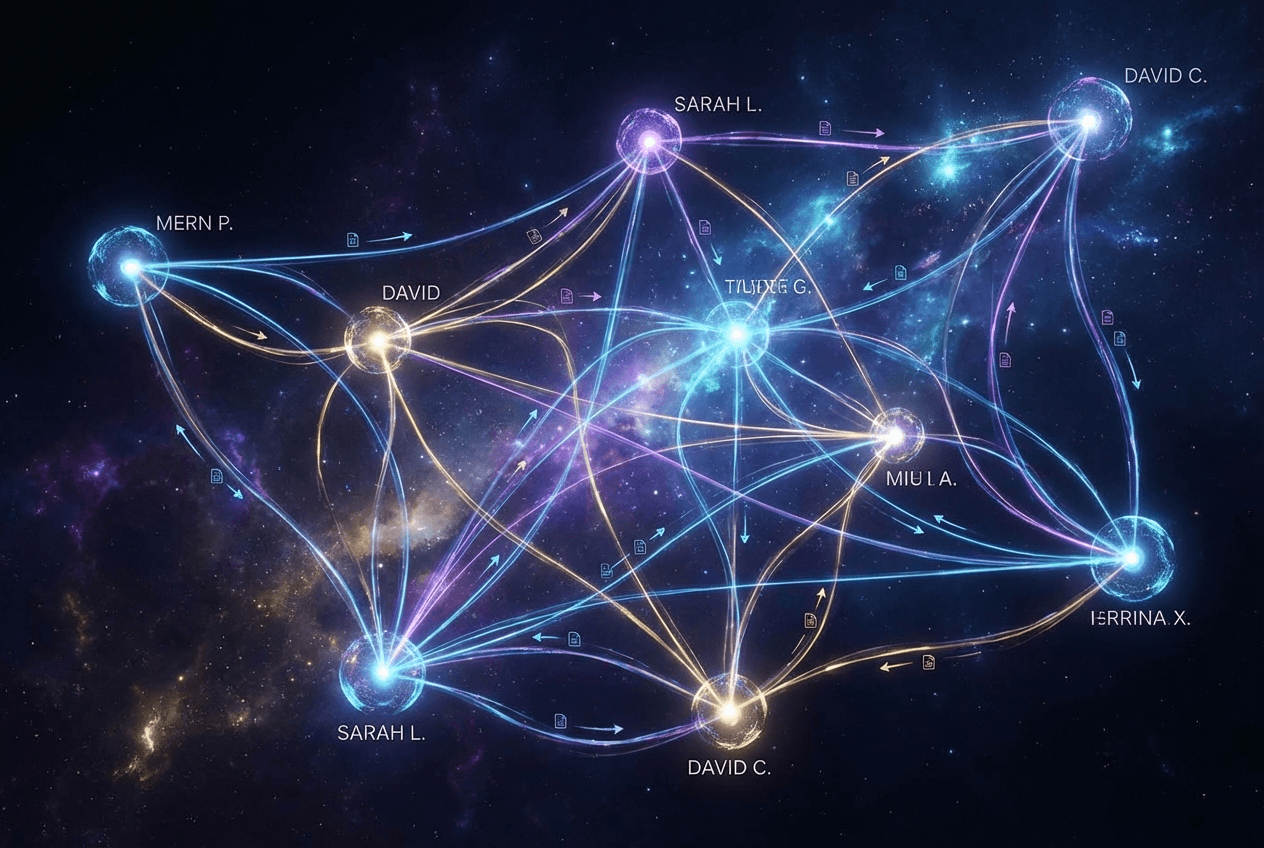
A healthy feedback system is a living network, not a top-down hierarchy.
As we look toward the future of organizational development, the path forward is clear: we must stop treating feedback as a weapon of evaluation and start treating it as the essential nutrient for professional flourishing. If you're an OD leader or internal coach ready to move beyond performance theater, we explore exactly how to do that in our deep-dive: Escaping the Feedback Trap: How OD Leaders Can Ditch Performance Theater for Real Growth.
Ready to bring real feedback to your entire organization? See how Your360 AI delivers coach-quality 360 feedback to every employee — not just executives — starting at $199 per person. Book a Demo →